
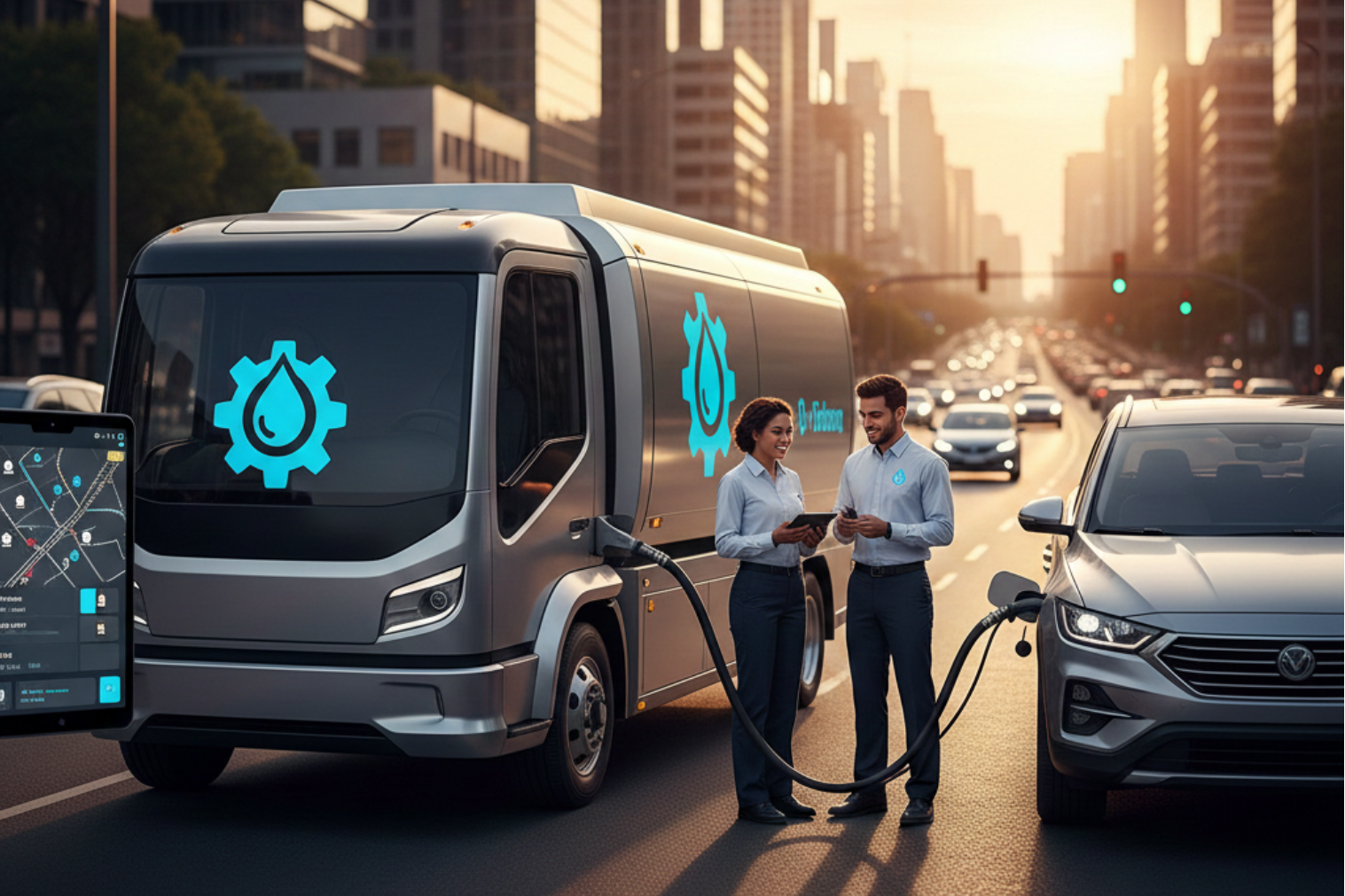
In today’s fast-paced world, convenience is everything. Just like food delivery and ride-sharing services, the mobile fuel delivery business is becoming extremely popular in the United States. Instead of driving to a gas station and waiting in line, customers can now order fuel directly to their home, office, or parking location. This is where a gas delivery service comes in.
If you are looking to start a profitable and future-proof business, mobile gas delivery and on demand fuel delivery can be an excellent opportunity. In this detailed guide, we will explain how you can start a mobile fuel delivery business step by step, the costs involved, legal requirements, and how to make money in this industry.
What Is a Mobile Fuel Delivery Business?
A mobile fuel delivery business provides gasoline or diesel directly to customers at their desired location. Customers place an order using a mobile app, website, or phone call, and the fuel is delivered using specially equipped fuel trucks.
This type of on demand fuel delivery service is commonly used by:
-
Busy car owners
-
Apartment residents
-
Corporate offices
-
Car rental companies
-
Delivery fleets
-
Construction companies
-
Boat owners
Instead of visiting a gas station, fuel comes to them.
Why Mobile Gas Delivery Is a Growing Business
The mobile gas delivery industry is growing fast due to several reasons:
-
Convenience – Customers save time and effort
-
Urban lifestyles – Busy schedules increase demand
-
Fleet services – Businesses want efficient fueling solutions
-
Technology – Mobile apps make ordering easy
-
Subscription models – Recurring monthly revenue
As more people look for comfort and time-saving services, gas delivery services are becoming the future of fuel retail.
Step 1: Market Research and Business Planning
Before starting your mobile fuel delivery business, proper research is essential.
Things to research:
-
Demand in your target city
-
Local competitors
-
Average fuel prices
-
Delivery fees charged by others
-
Fleet and business demand
Create a business plan that includes:
-
Startup costs
-
Pricing strategy
-
Target customers
-
Marketing plan
-
Monthly profit goals
A solid plan will help you avoid mistakes and attract investors if needed.
Step 2: Legal Requirements and Licenses
Fuel is a regulated product, so legal compliance is very important.
Common requirements include:
-
Business registration (LLC or Corporation)
-
Fuel distribution license
-
Fire department approval
-
Environmental permits
-
Department of Transportation (DOT) compliance
-
Insurance (liability, vehicle, fuel spill coverage)
Each US state has different rules, so always check local regulations before launching your on demand fuel delivery service.
Step 3: Equipment and Vehicles Needed
To run a professional gas delivery service, you need proper equipment.
Essential equipment:
-
Fuel delivery truck or trailer
-
DOT-approved fuel tanks
-
Safety nozzles and pumps
-
Spill containment tools
-
Fire extinguishers
-
GPS tracking system
Your vehicle must meet safety standards because fuel transportation is considered hazardous.
Step 4: Technology – App or Online Ordering System
Technology is the backbone of any modern mobile fuel delivery business.
You can offer:
-
Mobile app (Android & iOS)
-
Website booking system
-
Phone-based ordering
Your system should allow:
-
Location pinning
-
Fuel type selection
-
Secure online payments
-
Order tracking
-
Scheduling recurring deliveries
This makes your mobile gas delivery service easy and professional.
Step 5: Fuel Supply and Pricing Strategy
You must partner with fuel suppliers or wholesalers.
Pricing model usually includes:
-
Fuel price (market-based)
-
Delivery fee
-
Service or convenience fee
Many on demand fuel delivery companies keep fuel prices close to gas station rates and earn profit mainly from delivery and subscription fees.
Step 6: Subscription and Fleet Services
One of the best ways to make steady income is through subscriptions.
Popular subscription ideas:
-
Monthly unlimited fuel delivery
-
Fixed number of fill-ups
-
Fleet fueling contracts
Businesses prefer mobile fuel delivery because it saves time and reduces downtime for vehicles.
Step 7: Marketing Your Gas Delivery Service
Marketing is key to success.
Best marketing channels:
-
Google Local SEO
-
Social media ads
-
Partnerships with apartment complexes
-
Fleet and corporate sales
-
Referral programs
Use keywords like gas delivery service, mobile gas delivery, and on demand fuel delivery in your website content to rank higher on Google.
Step 8: Safety and Trust Building
Safety builds customer trust.
Important safety practices:
-
Trained staff
-
Regular vehicle inspections
-
Insurance coverage
-
Clear terms and policies
-
Transparent pricing
Customers will only trust your mobile fuel delivery business if they feel safe.
How Much Does It Cost to Start a Mobile Fuel Delivery Business?
Approximate startup costs:
-
Licensing & permits: $5,000 – $15,000
-
Fuel truck & equipment: $40,000 – $120,000
-
Insurance: $5,000 – $10,000
-
App & website: $5,000 – $20,000
-
Marketing: $3,000 – $10,000
Total estimated investment: $60,000 – $150,000
How Much Profit Can You Make?
Profit depends on:
-
Number of daily deliveries
-
Subscription customers
-
Fleet contracts
-
Operating costs
Many successful mobile gas delivery businesses generate $10,000 – $50,000+ per month once established.
Challenges in Mobile Fuel Delivery Business
Some common challenges include:
-
Strict regulations
-
High insurance costs
-
Fuel price fluctuations
-
Safety risks
However, with proper planning, these challenges can be managed.
Final Thoughts
Starting a mobile fuel delivery business is a powerful opportunity in today’s convenience-driven economy. With the right planning, legal compliance, technology, and marketing, a gas delivery service can become a highly profitable venture.
As demand for on demand fuel delivery continues to rise, entering the market early can give you a strong competitive advantage.